House Renovation Kept Easy: A Thorough Handbook for Residents
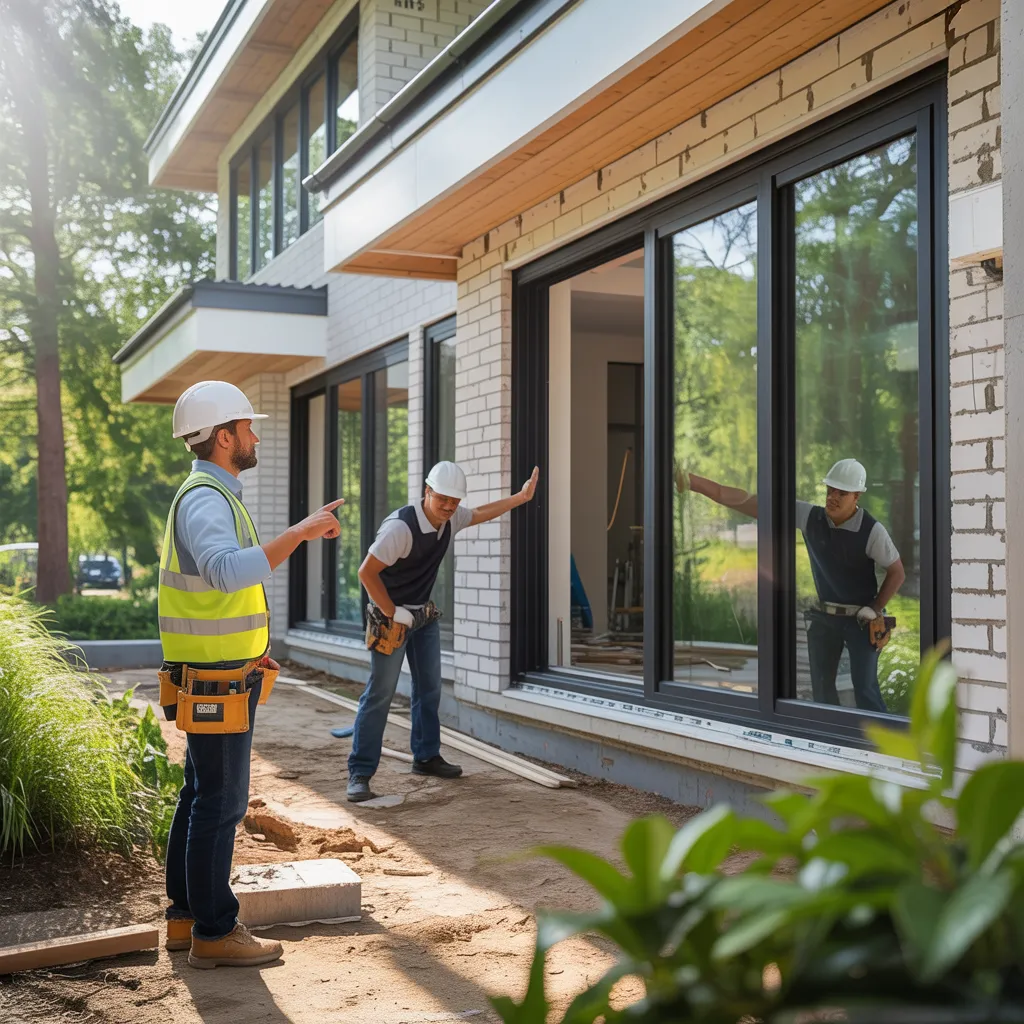
Home remodeling can be an intimidating task for many property owners. Recognizing one's requirements and establishing practical goals is vital. A organized approach can make the process easier and more efficient. This guide offers valuable insights into financial planning, design, and selecting the right supplies. Property owners may find themselves considering the best methods for navigating these obstacles. What essential steps should they evaluate to ensure a successful renovation of their living spaces?
Evaluating What You Need and Goals
When examining their needs and goals for home restoration, homeowners often wonder where to begin. The first step entails a detailed assessment of their current living situation and desired outcomes. Homeowners should consider specific areas that require improvement, such as outdated kitchens, inadequate storage options, or inadequate living space. Identifying these issues can help organize projects based on urgency and necessity.
In addition, property owners should think about their long-term goals. Are they looking to enhance comfort, raise property value, or create a more practical space for family occasions? Understanding these priorities will shape the remodeling process and confirm that the final outcome corresponds to their expectations.
Furthermore, collecting feedback from family members can be valuable, as diverse perspectives may uncover additional needs or desires. By taking the time to assess their needs and goals, homeowners can lay a solid foundation for a successful remodeling journey.
Developing a Realistic Budget
Developing a realistic budget is crucial for a accomplished remodeling project. Homeowners should initiate by projecting project costs, accounting for materials, labor, and visual features. Additionally, designating contingency funds can support address unexpected expenses that may arise during the remodeling process.
Evaluate Undertaking Expenses
A solid grasp of remodeling expenses is essential for property owners embarking on a remodeling journey. To accurately estimate expenses, they should take into account factors such as supplies, workmanship, licenses, and potential unforeseen issues. Researching local market rates for supplies and engaging professionals can provide a more transparent financial picture. Property owners should also account for the scope and intricacy of the undertaking, as these elements significantly impact costs. Creating a detailed list of necessary supplies and labor will help in gathering estimates. It is advisable to obtain multiple quotes from builders to ensure competitive pricing. By establishing a precise budget that aligns with their financial capabilities and project goals, property owners can set a practical spending plan, eventually resulting in a more seamless renovation process.
Set aside emergency funds
Calculating construction expenses creates the basis for sound budgeting, but property owners must also consider unexpected expenses that may occur during a remodeling project. A typical suggestion is to set aside a reserve fund, usually spanning from 10% to 20% of the total budget. This allocation functions as a financial buffer, allowing property owners to address unforeseen issues such as foundation work or cost escalations without derailing the whole undertaking. By preparing for these possible expenses in beforehand, homeowners can exercise better management over their money and decrease anxiety throughout the remodeling process. Ultimately, a carefully planned budget that contains reserve allocations improves the probability of a prosperous and gratifying remodeling outcome.
Creating Your Environment
How can residents successfully arrange their environment to showcase their personal style while enhancing functionality? To achieve this, they should commence with evaluating their priorities and lifestyle. Recognizing how each room will be applied guides the overall design and circulation. Homeowners might explore establishing sections for multiple purposes, guaranteeing that frequently used spaces continue to be spacious and available.
Featuring elements that express personal taste, such as color selections, furniture styles, and visual accents, facilitates a personalized statement without sacrificing practicality. Additionally, choosing multifunctional furniture can improve area utilization, especially in smaller areas.
Natural light serves as another crucial component; increasing natural light through windows or incorporating mirrors can produce a more appealing environment. In conclusion, residents ought to focus on sizing and balance, guaranteeing that furnishings match the room's dimensions while maintaining an tidy aesthetic. By merging design with careful consideration, homeowners can develop a balanced residential area tailored to their desires.

Finding the Right Material choices and Finishing options
When selecting finishes and materials, property owners should prioritize both visual appeal and durability to guarantee their selections withstand the test of time. The choosing process starts with grasping the desired style of the space, as different products can create distinct atmospheres. For instance, wood can create warmth, while contemporary metal finishes may provide a modern edge.
Property owners should also evaluate the upkeep needs of each material. Some finishes may demand more maintenance than others, influencing long-term contentment. Additionally, financial limitations are essential; selecting premium yet affordable options can result in enduring worth.
Sustainability is becoming increasingly important, prompting many to choose eco-friendly materials that minimize environmental impact. Finally, homeowners should collect samples to picture how chosen materials will interact with lighting and existing elements in the space. This practical approach aids in making informed decisions that align with both personal style and practical needs.
Hiring the Best Specialists
Homeowners should carefully assess the credentials and background of professionals hired for home renovation to ensure superior workmanship. Additionally, comparing cost estimates across various service providers aids in making informed financial decisions. Finding the right expertise through these essential steps is vital for a prosperous renovation undertaking.
Reviewing Qualifications and Experience
Selecting the right professionals for a home remodeling project demands thorough evaluation of their qualifications and expertise. Homeowners should begin by confirming credentials, ensuring that contractors have the necessary licenses and credentials relevant to the project. Additionally, examining a collection of past work can offer understanding into a professional's approach and quality of workmanship. It is also beneficial to request testimonials from previous clients to assess satisfaction and reliability. Expertise in particular kinds of remodeling, such as kitchen or bathroom renovations, can be essential; experts often have the advanced skills needed for complex tasks. Ultimately, a thorough evaluation of qualifications and expertise will help property owners select professionals who can effectively implement their plan while conforming to professional standards.
Assessing Cost Estimates Efficiently
Examining budget quotes serves as a important undertaking during the selection process for home renovation ventures. Homeowners should source estimates from diverse contractors to ensure an exhaustive comparison. Each quotation should detail labor, materials, and any additional charges, allowing an dependable side-by-side appraisal. It is necessary to assess not just the total cost but also the amount of work included in each quotation. Homeowners must be wary of unusually reduced estimates, as they may indicate subpar quality or concealed charges. Talking with contractors concerning their quotations can provide understanding regarding their thought processes and integrity. In conclusion, opting for a contractor should balance price and the excellence of superior workmanship, promoting a successful renovation experience.
Learning the Reconstruction Workflow
Although the remodeling process can appear intimidating, homeowners can accomplish their goals by implementing critical steps. To start, they should establish a clear vision of their undertaking, articulating targeted results and specific features. Thereafter, putting together a sound budget is imperative, considering materials, labor, and unforeseen expenses. Researching and engaging dependable contractors can prove instrumental; homeowners should seek referrals and assess reviews in advance of making a decision.
Once a contractor is chosen, quality dialogue is essential. Homeowners should discuss timelines, project scope, and any concerns upfront to sidestep misunderstandings. During the remodeling phase, regular check-ins with the contractor will help guarantee that the project stays on track and adheres to the agreed-upon plan. Finally, being receptive to changes, whether due to unexpected issues or related article new ideas, can elevate the overall experience, leading to a successful and satisfying remodeling outcome.
Regularly Asked Questions
How Much Time Does a Standard Home Remodeling Project Require?
A conventional home remodeling endeavor normally requires anywhere from a few weeks to several months, contingent on the scope of the project, home footprint, and any unforeseen hindrances that may happen during the completion.
Which Licenses Are Essential for Home Renovation?
Remodeling your home typically involves obtaining various permits, like building, electrical, plumbing, and zoning permits. The precise demands are determined by local codes and the project's scope, ensuring respect for safety and construction standards during renovations.
What Strategies Can Help Me Minimize Disruptions Throughout Renovation?
To limit complications during construction, one should set up a comprehensive timetable, coordinate with construction professionals, establish designated work zones, and advise residents about plans. This arrangement enables maintain daily rhythm and minimizes tension throughout the process.
What Steps Ought to I Execute if I Go Over My Spending Plan?
If a budget is overrun, he should assess the reasons, concentrate on required changes, and explore potential cost-saving measures. Transparent communication with contractors and exploring different material options can also help realign finances with project goals.
How Do I Verify Quality Workmanship?
One should research and hire reputable contractors, check references, review past projects, and establish clear communication about expectations, timelines, and materials to guarantee superior workmanship. Regularly reviewing progress also helps copyright high standards throughout the project.